Service Overview
Garage door springs counterbalance the full weight of the door — often well over 100 pounds — so the opener and your own arms don't have to lift it directly. When a spring breaks, that weight has nowhere to go, which is why a door with a broken spring can feel impossibly heavy or refuse to move at all. We replace both torsion and extension springs, matched precisely to your door's size and weight, so the finished repair operates the way the door was designed to.
Signs of Spring Failure
- A loud bang from the garage, often mistaken for a break-in attempt
- The door feels extremely heavy when lifted manually
- A visible gap or separation in the spring coil
- The door opens only a few inches before stopping
- The opener strains or the door doesn't fully close
Torsion vs. Extension Springs
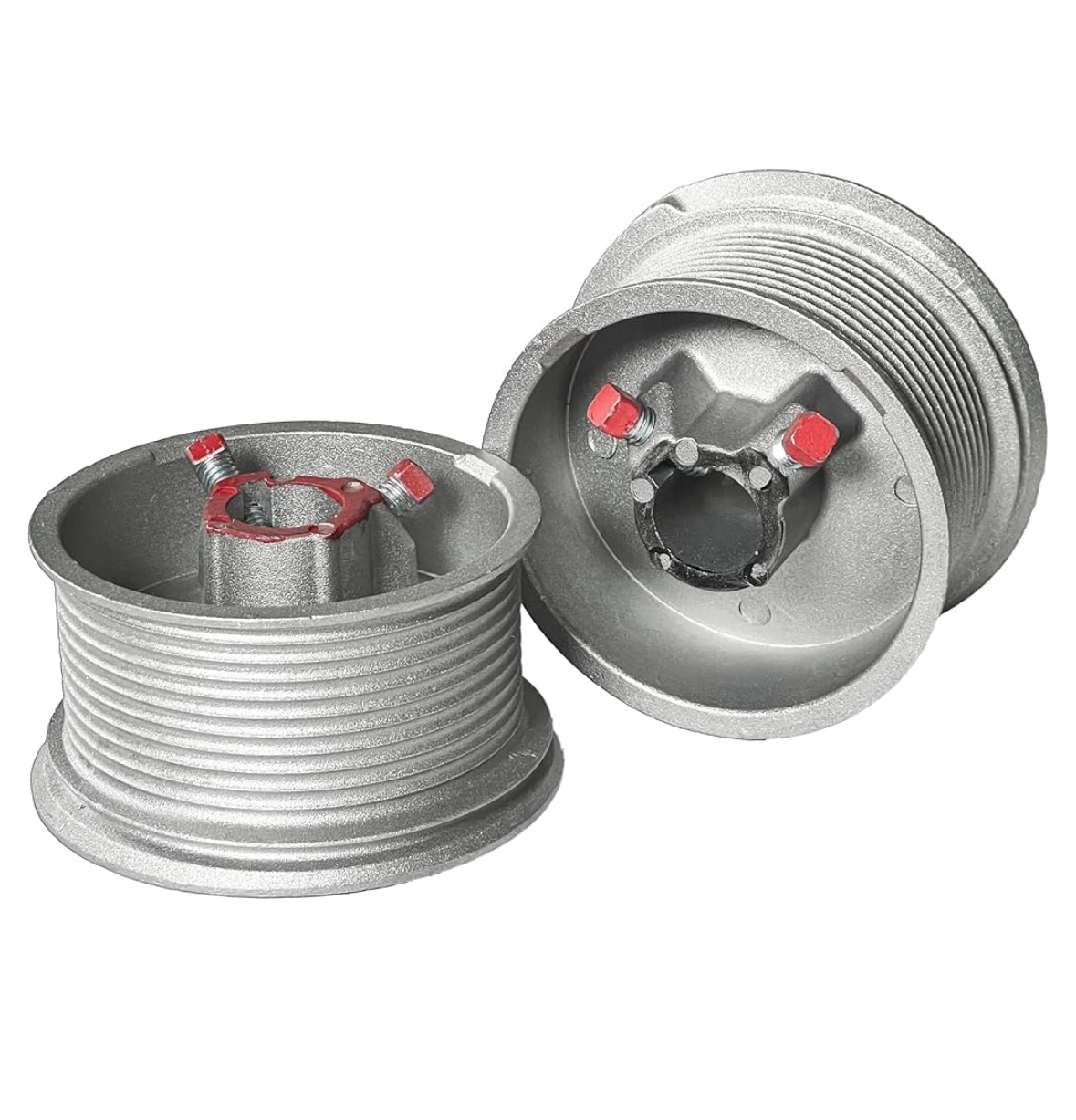
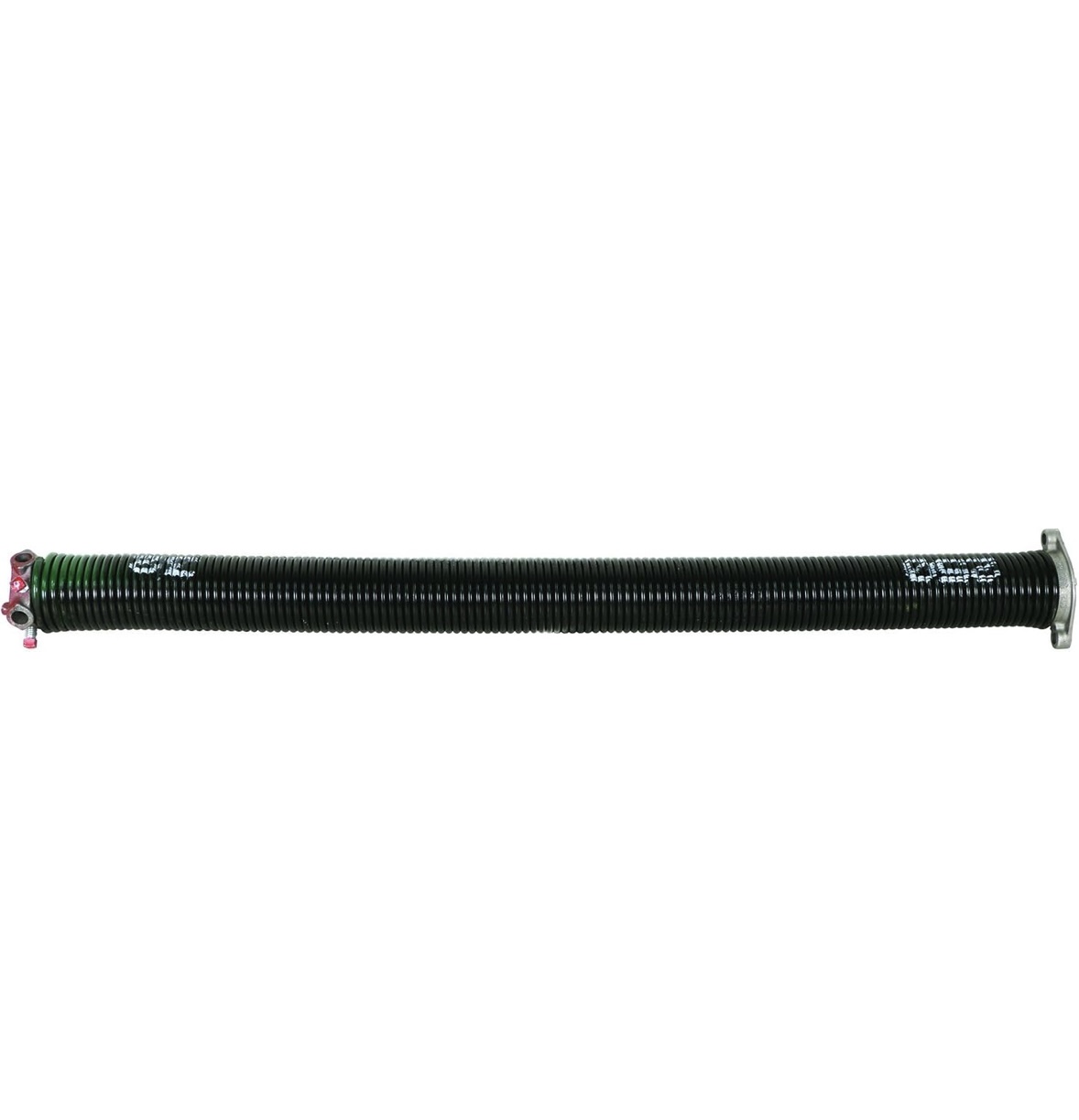
Torsion springs mount horizontally above the door and twist to store energy; extension springs run along the horizontal tracks and stretch instead. Each type fails differently and requires different tools and techniques to replace safely — we identify which your door uses before beginning any work.
Why Springs Break
Springs have a rated cycle life and simply wear out with repeated opening and closing. Phoenix's temperature swings between summer heat and cooler nights accelerate metal fatigue, and lack of lubrication adds friction that shortens spring life further.
Why DIY Spring Repair Is Dangerous
Torsion springs are wound under extreme tension, and releasing or installing them without the right winding bars and technique can cause serious injury. Even experienced homeowners underestimate the force involved — this is one repair we strongly recommend leaving to trained technicians.
Should I Replace One Spring or Both?
If your door has two springs and one has broken, the other is usually close behind in wear. We'll inspect both and give you an honest recommendation rather than replacing parts that don't need it.
Cable Inspection During Spring Repair
Cables work under load alongside springs, so we inspect them during every spring replacement and flag any fraying before it turns into a second failure.
Our Spring Replacement Process
{{ s.title }}
{{ s.desc }}
Extending Spring Lifespan
Regular Lubrication
Reduces friction and metal fatigue over time.
Balance Checks
A well-balanced door puts less strain on springs.
Avoid Overuse
Excessive daily cycles shorten spring life faster.
Annual Inspection
Catches early wear before a sudden break.
What Spring Replacement Typically Costs
Cost depends on spring type (torsion vs. extension), the number of springs needed, and your door's weight rating. We quote the price clearly before starting, and since we typically replace both springs together for even wear, we'll explain that recommendation rather than surprise you with it after the fact.
Safety First: Why We Don't Cut Corners Here
A torsion spring under full tension stores enough energy to cause serious injury if it releases uncontrolled. Our technicians use professional winding bars and follow a specific sequence to safely wind and unwind springs — the same reason we always advise against DIY attempts, regardless of how capable a homeowner feels with other repairs.
Expert Tip: Listen for the Warning Signs
Springs rarely fail without any warning. A door that starts to feel heavier over a few weeks, or a faint scraping sound from the coil, often precedes a full break by days or weeks. Catching it early means a planned repair instead of an emergency call.
Related Services & Service Areas
Recent Spring Repair Work
"101 Garage Doors in Phoenix, AZ, is fantastic! Needed urgent garage door repair in Phoenix, and they fixed my creaky spring same-day."